Anthea Norman-Taylor: The Remarkable Executive Behind Opal
The verified story of the British music executive, Opal director, War Child supporter and long-term collaborator of Brian Eno.

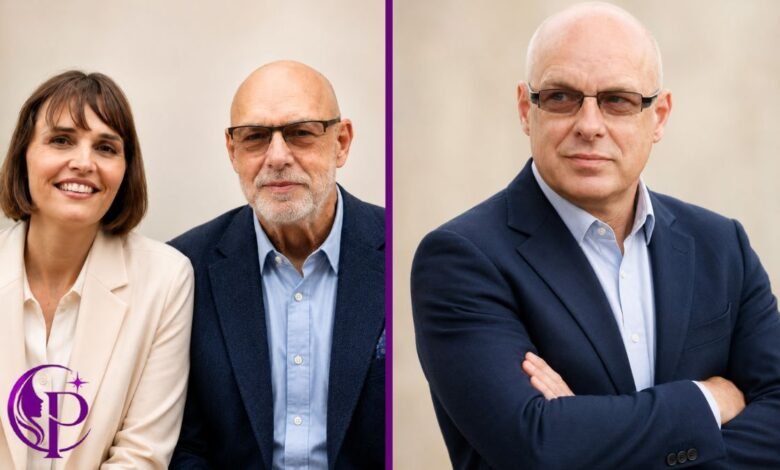
Anthea Norman-Taylor is a former music-industry executive whose documented career includes senior work at EG Records, helping to establish Opal, managing creative artists and supporting major War Child fundraising projects. She is also widely searched for because she married musician, producer and visual artist Brian Eno in January 1988.
Describing Norman-Taylor only as “Brian Eno’s wife”, however, overlooks much of the reliable information available about her. Long before their marriage, she had developed considerable experience in royalties, copyright administration and record-company management. She later applied that knowledge to Opal, an independent organization created to give experimental musicians and artists a more supportive professional structure.
Quick Answer
Anthea Norman-Taylor is a former music executive, artist manager and Opal co-founder who worked closely with Brian Eno and other experimental artists. She married Eno in 1988, although dependable recent sources do not clearly establish their present marital status, making it safer to describe her as his documented second wife rather than automatically presenting her as his current wife.
Quick Bio
| Field | Verified Information |
|---|
| Full Name | Anthea Frances Norman-Taylor |
| Born | September 1953 |
| Age | 72 years old as of July 2026 |
| Nationality | British |
| Profession | Music-industry executive, artist manager and company director |
| Career Background | Joined EG Records in 1974 as a royalties clerk before becoming copyright manager and company director |
| Known For | Co-founding and helping run Opal, an independent organisation supporting experimental musicians and visual artists |
| Current Company Role | Active director of Opal-Chant Limited |
| Brian Eno Connection | Former manager, long-term creative and business collaborator, and documented wife; they married in January 1988 |
| Charity Contribution | Co-curated War Child’s 1994 Little Pieces from Big Stars exhibition with Brian Eno and David Bowie |
The professional details above are supported by a 1989 interview in which Norman-Taylor discussed her progression at EG and the creation of Opal, while contemporary reporting records the January 1988 marriage. Her album and charity roles are also preserved in music databases and War Child’s own historical material.
Who Is Anthea Norman-Taylor?
Anthea Norman-Taylor became part of Britain’s influential independent and experimental music world through professional ability rather than celebrity publicity. Her work involved the less visible infrastructure behind creative careers: royalties, copyright, administration, artist management, record releases and communication between musicians and the organizations responsible for representing their work.
A detailed contemporary interview published in Sound on Sound records that she joined EG in 1974. Norman-Taylor explained that she initially had no conventional secretarial background, but her experience with science and mathematics helped her handle royalty calculations. Beginning as a royalties clerk, she progressed to copyright manager and eventually became a director of the company.
This career history is important because it corrects the impression that her professional standing came solely through Brian Eno. Norman-Taylor already understood the financial, legal, and organizational workings of the record business before Opal emerged. Her subsequent partnership with Eno combined his artistic ideas with her administrative and management expertise.
Her Career at EG Records
EG Records and its associated management operations occupied an important position in British progressive and experimental music. The organization worked with artists connected to Roxy Music, King Crimson and other innovative projects, giving Norman-Taylor experience in an environment where commercial administration had to accommodate unconventional creative careers.
Her professional advancement from royalty administration to copyright management and directorship suggests a broadening level of responsibility. She was not simply arranging appointments or performing personal-assistant duties. Her work dealt with the mechanisms through which artists were paid, rights were administered, and careers were organized.
Later accounts of EG’s history have similarly described Norman-Taylor as having reached a senior management position before leaving to establish Opal with Eno.
How Anthea Norman-Taylor Helped Create Opal
Norman-Taylor and Eno left EG during the early 1980s and developed their own organization. Contemporary accounts vary slightly over whether Opal should be dated to 1983 or 1984. Still, the central fact is consistent: Norman-Taylor was a co-founder and operational leader, not merely someone informally associated with Eno’s projects.
In her 1989 interview, she said that they wanted to build an artists’ company based on a more supportive relationship between creative people and management. Rather than treating musicians as borrowers dealing with a bank, she described the administrator’s responsibility as serving the artist’s ideas and making those ideas possible.
Opal represented and worked with a distinctive circle of musicians and visual artists. Contemporary coverage connected the company with Harold Budd, Michael Brook, Daniel Lanois, Jon Hassell, Laraaji, Roger Eno and Russell Mills. Norman-Taylor’s brother, Dominic Norman-Taylor, also became involved in running the organization.
This structure gave experimental artists practical support without forcing their work into a conventional pop-industry model. Opal operated across management, recording, publishing and creative collaboration, allowing projects that might not have fitted comfortably within a mainstream record company to reach an audience.
Her Recorded Music Credits
Norman-Taylor’s name also appears in formal album credits. AllMusic lists her as an executive producer on the 1988 compilation Music for Films III, which brought together atmospheric and experimental compositions associated with the Opal circle. She is also credited for liner notes on Opal: Assembly 1 and photography for Roger Eno’s Voices.
These credits should not be exaggerated into a performing career. They instead illustrate the range of her behind-the-scenes contribution: overseeing releases, documenting artists and helping package creative work for publication.
Her influence was organizational and curatorial. She helped build the circumstances in which musicians could record, collaborate, release material and maintain careers outside the most commercial areas of the record business.
Anthea Norman-Taylor and Brian Eno
Norman-Taylor initially had a professional relationship with Brian Eno as his manager and collaborator. They married in January 1988. In a retrospective published by The Independent, Eno connected his ability to maintain several creative careers with having married the person who managed his professional affairs.
During the following decade, established reporting referred to Norman-Taylor as Eno’s wife. A 1997 Los Angeles Times interview described Eno as living in England with Norman-Taylor and their two daughters, while a 1998 Independent profile similarly identified her as his wife.
The current position requires more careful wording. In a 2020 interview, Eno referred to having a girlfriend and identified Ray Hearn as his manager. That interview did not explain what had happened to his marriage, and no dependable public source reviewed for this profile explicitly confirms a divorce or formally defines Norman-Taylor’s present relationship with him.
For that reason, pages describing her unconditionally as Brian Eno’s current wife may be presenting an assumption as fact. The most accurate formulation is that she married Eno in 1988, became his second wife and was his long-term professional partner, while their current legal or personal status has not been clearly documented in reliable recent reporting.
A Significant Role in War Child’s Early Development
Norman-Taylor’s public record also includes meaningful humanitarian work. War Child states that in 1994, Anthea Norman-Taylor, Brian Eno and David Bowie curated Little Pieces from Big Stars. This exhibition raised money for children affected by conflict and helped establish a long-running relationship between the charity and the creative industries.
Her involvement was not limited to lending a well-known name to an event. A Guardian account of War Child’s early history reported that Norman-Taylor responded to a radio report about a mobile bakery operating during the conflict in the former Yugoslavia by delivering a £2,000 cheque to the charity’s office. That initial contact helped connect War Child with influential figures in music and art.
Later reporting identified her as a former War Child trustee. She and Eno were also associated with art and fashion auctions that generated further contributions for the organization’s work.
This part of her biography adds important context. Norman-Taylor used her music-industry network and organizational experience to support fundraising at a formative stage in War Child’s history.
What Is Publicly Known About Her Family?
Historical reporting states that Norman-Taylor and Eno had two daughters together. Because the family members have generally maintained lives outside celebrity media, further personal information is not necessary to understanding Norman-Taylor’s public work.
A sufficiently reliable public source has not established her date of birth and age, birthplace, educational history or detailed account of her early family life. Celebrity databases that publish precise personal details without identifying their original evidence should not be treated as authoritative.
There is similarly no dependable public valuation of her personal wealth. Her work at EG, Opal and within the wider music business is documented, but those professional roles do not provide enough evidence to calculate a responsible net-worth figure.
Why People Search for Anthea Norman-Taylor
Interest in Anthea Norman-Taylor usually begins with Brian Eno, but her own career gives readers a stronger reason to look beyond the marriage. She belongs to a group of music executives whose contribution was essential even though their work took place away from recording-studio performances and magazine covers.
Her story also offers a useful correction to a common type of celebrity biography. Norman-Taylor was not simply a private spouse who appeared after Eno became successful. She had an established record-company career, managed rights and royalties, reached director level, co-created an independent artists’ organization and participated in important charity fundraising.
Her relative absence from current publicity reflects a private public profile, not an absence of professional achievement.
Fact-Check Note: This profile is based on reliable publicly available information and avoids unsupported claims about private details.
More Celebrity Profiles: Charles Ezekiel Mozes: The Honest Story of Cynthia Nixon’s Private Son
FAQs
Who is Anthea Norman-Taylor?
Anthea Norman-Taylor is a former music-industry executive, artist manager and co-founder of Opal. She is also known for her documented marriage and professional partnership with Brian Eno.
Was Anthea Norman-Taylor Brian Eno’s manager?
Yes. Contemporary accounts describe Norman-Taylor as Eno’s manager before and during the development of Opal. Eno later commented publicly on marrying the person who managed his career.
What did Anthea Norman-Taylor do at EG Records?
She began in royalty administration before becoming copyright manager and eventually a company director, according to her own published account of her career.
Did Anthea Norman-Taylor help establish Opal?
Yes. She established Opal with Brian Eno after they left EG. The company supported and represented experimental musicians, producers and visual artists.
Is Anthea Norman-Taylor still Brian Eno’s wife?
They married in January 1988, but reliable recent information does not clearly confirm their current status. A 2020 interview referred to Eno having a girlfriend, without publicly explaining the status of his marriage.
What was her role with War Child?
Norman-Taylor helped connect War Child with the creative industries, co-curated a 1994 fundraising exhibition and later served as a trustee.
How old is Anthea Norman-Taylor?
A sufficiently reliable public source has not established her date of birth and age. Publishing a precise age would therefore be speculative.
Final Thoughts on Anthea Norman-Taylor
Anthea Norman-Taylor is most frequently introduced through Brian Eno, but the available evidence supports a more substantial profile. She advanced from royalty administration to a directorship at EG, helped create Opal, managed artists, contributed to record releases, and supported War Child’s early creative fundraising.
Her marriage to Eno in 1988 is well documented, while its present status is not sufficiently clear to justify an unqualified current claim. Other personal details, including her age, early life and finances, remain outside the dependable public record.
The most accurate understanding of Anthea Norman-Taylor is therefore not simply as a celebrity spouse, but as an experienced music executive whose administrative, curatorial and charitable contributions helped sustain an influential creative network.